











Don’t Get Scammed: 5 Red Flags in the SA Used Car Market
The “Wild West” of Online Car Sales
Selling a car on social media marketplaces has become a “Wild West” in South Africa. From ghost sellers to deposit scams, the risks can make even the most seasoned buyer nervous. At Car Listing, we believe that buying a vehicle should be exciting, not anxiety-inducing.
Because our administrators manually review every listing, we see the tricks scammers try to pull. Here are the top red flags and “Safety Hacks” every South African buyer needs to know.
1. The “Too Good to Be True” Price
If you see a 2022 Toyota Hilux with low mileage listed for R150,000, your alarm bells should be ringing.
- The Scam: Scammers use “bait pricing” to lure in buyers looking for a bargain.
- The Reality: Research the market value. If a price is more than 30% below the average, there is usually a “catch” or the car simply doesn’t exist.
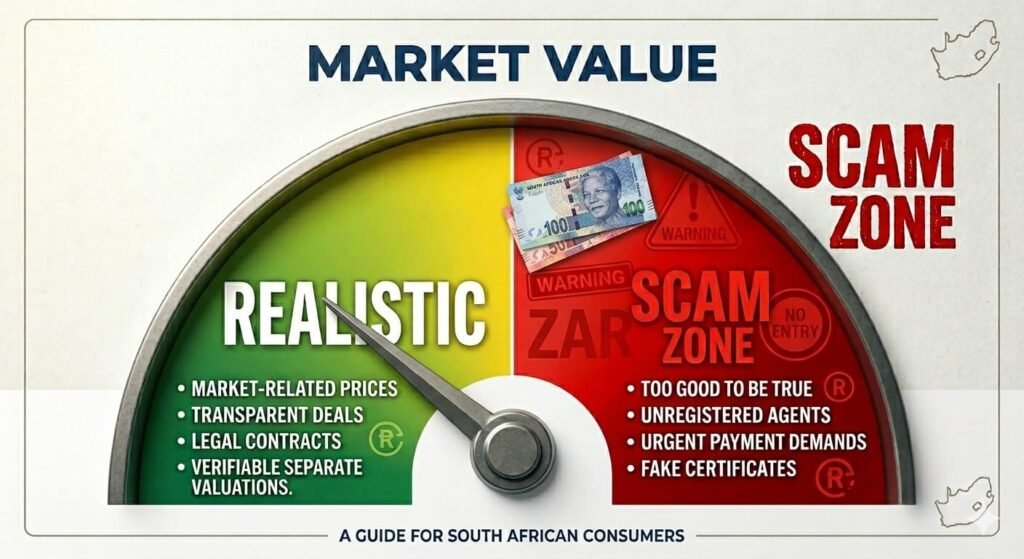
If the price doesn’t match the market, walk away.
2. The Urgent “Holding Deposit” (The EFT Trap)
This is the most common scam in SA. The seller claims they have “five other people coming to look at the car” and asks you to pay a small deposit via EFT to “secure” it.
- The Red Flag: A legitimate dealer will almost never ask for money before you have physically inspected the vehicle.
- The Rule: Never pay a cent until you’ve seen the car, the paperwork, and the seller in person.
3. The “Out of Town” or “Overseas” Seller
Scammers often claim they are currently working in a different province or that they are a soldier/doctor currently deployed and can’t meet you.
- The Red Flag: They will offer to “ship” the car to you if you pay the transport fee upfront.
- The WhatsApp Hack (Tweak): Ask the seller for a “Proof of Life” video. Request that they film themselves walking around the car while saying your name and today’s date. A scammer using stolen photos from the internet cannot do this.
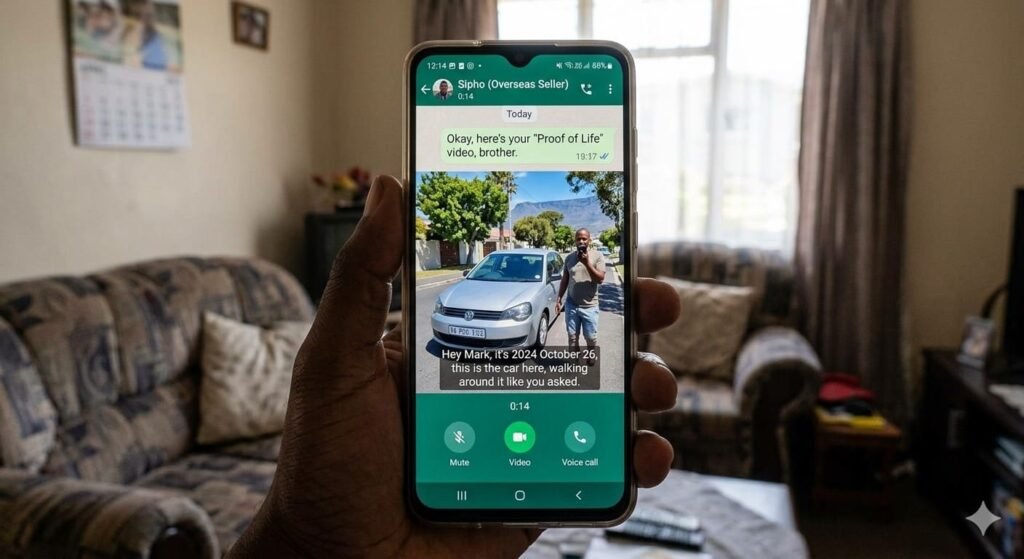
Use WhatsApp to ask for a live video—scammers can’t fake the “real thing.”
4. The Paperwork & “Disc” Disconnect (Tweak)
A car is only as good as its papers. Scammers often use “cloned” plates or fake documents.
- The Red Flag: The seller avoids showing you the NATIS (logbook) or the license disc.
- The Pro-Tip: Always check the license disc on the windscreen against the paperwork. Ensure the VIN (Vehicle Identification Number) matches perfectly. If the disc is expired or the VIN looks tampered with, do not proceed.
5. Dangerous Meeting Spots (Tweak)
In South Africa, where you meet is just as important as what you buy.
- The Red Flag: The seller insists on meeting in a remote area, at their private home at night, or in a “quiet” street.
- The Safe Zone: Always meet at a Safe Exchange Point. Use a busy, camera-monitored petrol station (like a 24-hour Engen or Shell) or a shopping mall parking lot. Many people even choose to meet in the parking lot of a local police station for ultimate peace of mind.
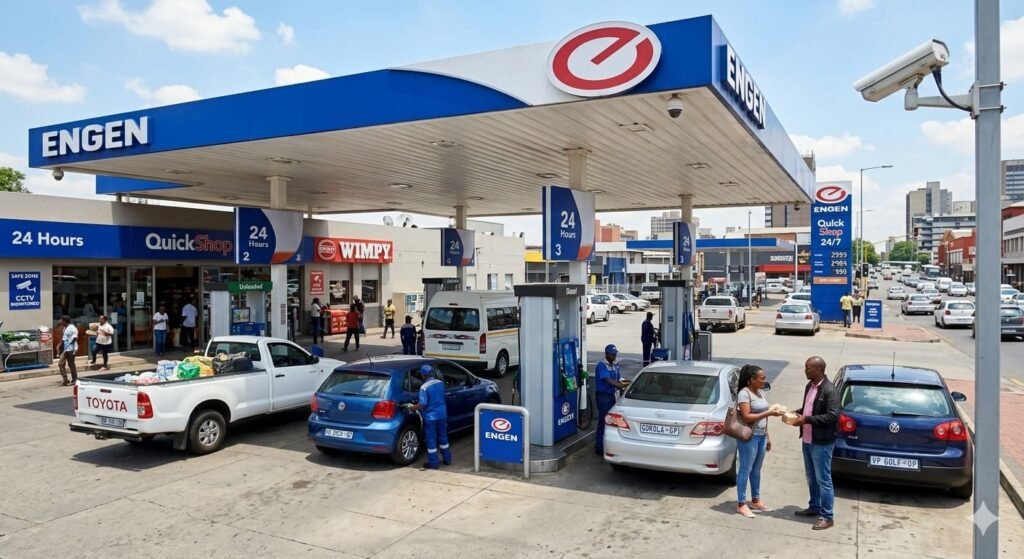
Visibility is your best friend. Always meet in public, well-lit areas.
How Car Listing Filters the Noise
You might wonder why these scams are so rare on our platform compared to Facebook. It’s because our Pay-Per-Listing model and Manual Review act as a double-filter:
- Scammers Hate Paying: A scammer wants to post 100 ads for free. They won’t pay a fee for an ad that our human administrator will likely flag and delete.
- The Admin Shield: Our team checks for original photos and verifies dealer locations before approval.
The “Safe Buyer” Checklist
- Direct Access: Use our “Chat via WhatsApp” button to keep a record of your conversation.
- Verify First: Ask for that “Proof of Life” video.
- Public Only: Meet during daylight in a busy area.
At Car Listing, we are bringing the “Invisible Market” online—safely.