



















The After-Sales Experience: Building Lifetime Loyalty
In the South African automotive market, a dealership that only focuses on the sale is a dealership that is leaving money on the table. The real profit in 2026 isn’t found in the first transaction—it’s found in the second, third, and fourth sale to the same customer.
When a buyer drives off your lot, the “closing” is over, but your most important job has just begun. If you treat the purchase as the end of the journey, you are just a vendor. If you treat it as the start of a long-term partnership, you become a trusted advisor.
The Pillar of Inclusive Transparency (The “Trust Gap” Subtopic)
A critical part of building lifetime loyalty is recognizing where the “trust gap” exists in our current market. For many buyers—particularly women, who are often disproportionately affected by the industry’s “boys’ club” reputation—the fear of being taken advantage of at a service desk or during a repair is very real.
If you want to build a brand that lasts, you must make Inclusive Transparency a core pillar of your after-sales experience. Here is how you bridge that gap:
- The “No-Jargon” Promise: Whether it’s a man or a woman at the desk, eliminate the “mechanic speak” that is designed to confuse. If a part needs replacing, show the customer the old part. Explain why it failed, what the new part does, and how the pricing is calculated.
- Education over Upselling: Don’t just sell repairs; sell knowledge. If you are servicing a vehicle, provide a “health report” that explains the vehicle’s condition in simple terms. By helping a customer understand their car, you empower them. A customer who feels respected and informed will never look for a “back-alley” mechanic—they will bring their car back to you because they trust you.
- Representation Matters: If your front-of-house service team is exclusively male, you are signaling a specific culture. Actively hire and train women for service advisory and sales roles. A diverse team creates an environment where everyone, regardless of gender or technical background, feels welcome and heard.
Three Strategies for Lifetime Retention
Beyond closing the trust gap, your after-sales strategy should focus on keeping the relationship warm.
1. The “First 90 Days” Check-in
Don’t wait for a problem to arise. Proactively reach out to your customer 30 and 90 days after the sale.
- The Script: A simple, non-intrusive WhatsApp: “Hi [Customer Name], just checking in to see how the [Vehicle Model] is performing. Do you have any questions about the features or the service schedule? We’re here if you need anything.”
- The Impact: This proves you care about their satisfaction, not just the commission. It prevents minor frustrations from becoming public negative reviews.
2. Proactive Service Reminders
Use your CRM to track mileage and service intervals. When a customer is approaching their service date, send a personalized, automated reminder.
- The Value-Add: If you have an in-house service center, offer a “Returning Customer” loyalty rate. If you don’t, partner with a trusted local workshop and offer a “preferred partner” discount. You are solving a problem for them before they even realize they have one.
3. Handling the “Bad Days”
Every dealership will eventually face an unhappy customer. How you handle these moments is your greatest branding opportunity.
- Own the Problem: If a customer complains, don’t just “fix it”—go the extra mile. Offer a free valet, a loaner car, or a service voucher.
- Turn Negatives into Advocates: If a complaint hits social media, respond publicly and professionally, inviting them to discuss it offline. When potential buyers see you taking ownership and resolving issues transparently, your reputation for integrity grows.
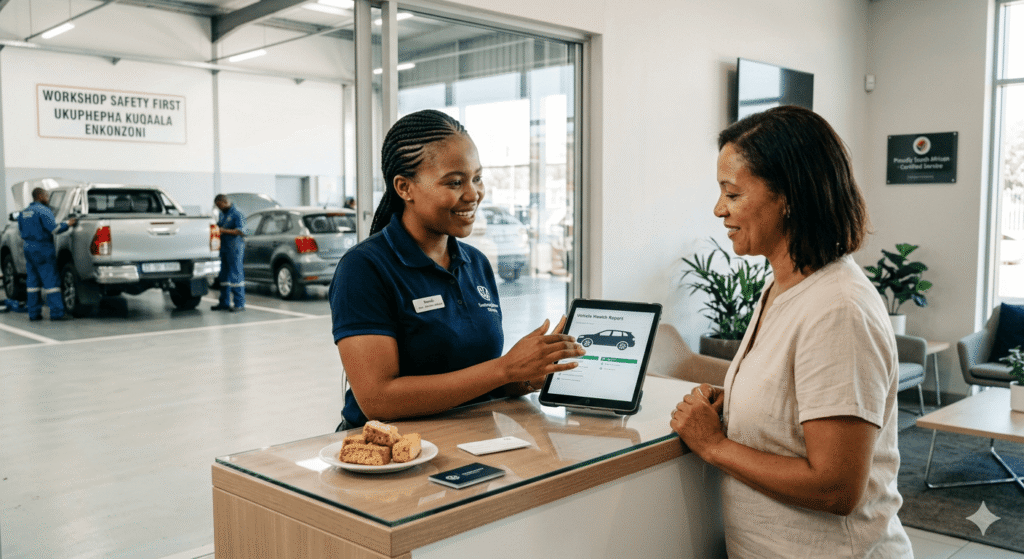
The sale is just the beginning. Real loyalty is built through transparency, education, and a partnership that lasts long after you drive off the lot.
The Bottom Line
Building a successful dealership in 2026 requires a holistic view of the customer lifecycle. You must be as skilled at customer care as you are at closing deals. By removing the “gatekeepers” of knowledge and creating a transparent, inclusive environment, you aren’t just protecting your reputation—you are building a fortress of loyalty that your competitors cannot penetrate.
You are no longer just a dealer; you are a partner in your customer’s journey. Now, it’s time to put these strategies into practice. What is your next move?